Storm Damage and Your Car: What Florida Drivers Need to Know
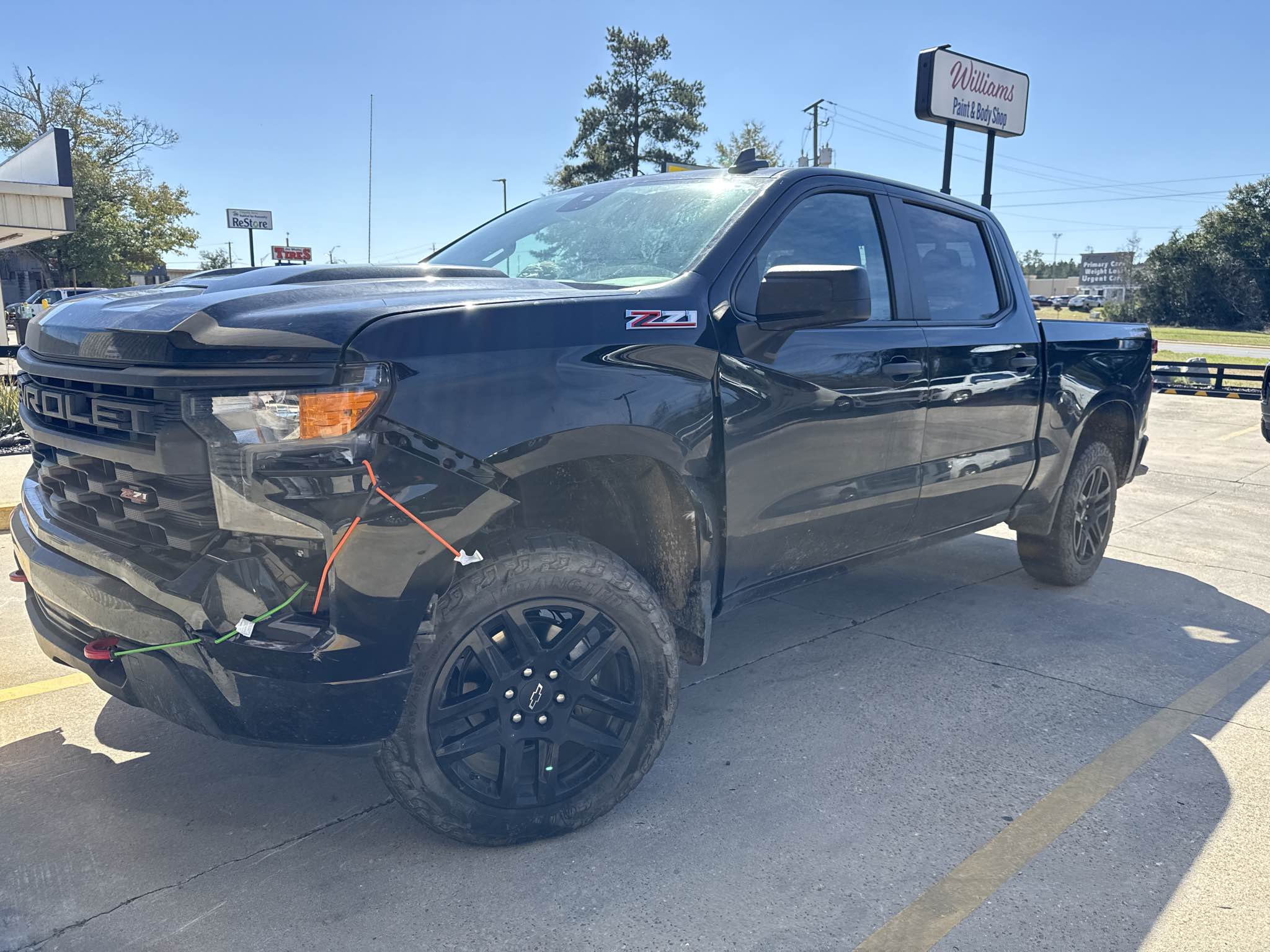
Hurricane season runs June through November in Florida. Hail, flooding, fallen trees, and wind-driven debris all fall under comprehensive coverage — but there are important steps you need to take before, during, and after a storm to protect your claim.
Florida's Storm Season and What It Does to Vehicles
The Atlantic hurricane season officially runs June 1 through November 30, but storm activity across the Florida Panhandle can produce damaging weather outside that window. Hailstorms, tropical systems, and severe thunderstorms capable of producing golf ball-sized hail, flash flooding, and debris-launching winds occur throughout the year.
For vehicle owners across Jackson, Washington, Holmes, Calhoun, Gadsden, and Bay counties, storm damage can range from cosmetic — dimpled paint from hail, cracked windshields from debris — to severe structural damage from flooding or a tree strike. Knowing how your coverage works before a storm is the best preparation.
What Storm Damage Is Covered — and By Which Coverage
Vehicle storm damage is covered under comprehensive coverage, not collision. Comprehensive covers damage caused by events outside your control: hail, wind-driven debris, flooding, fallen trees, and animals. Collision covers crashes with other vehicles or objects.
If you only carry liability coverage — Florida's minimum — you have no coverage for storm damage to your own vehicle. Comprehensive is optional for vehicles you own outright, but most lenders require it on financed or leased vehicles.
- Hail damage — comprehensive
- Flooding and water intrusion — comprehensive
- Tree or branch strike — comprehensive
- Wind-driven debris impact — comprehensive
- Windshield cracks from road debris during a storm — comprehensive (or glass-only coverage if you have it)
- A collision caused by hydroplaning — collision coverage
Your comprehensive deductible applies to storm claims. Check your policy before filing — a claim for minor hail damage close to your deductible may cost more in rate impact than paying out of pocket.
Document Before You Move the Vehicle
If it's safe to do so, photograph your vehicle thoroughly before moving it from where it sustained the damage. Document every panel from multiple angles, the interior if there's water intrusion, the roof, the underside if accessible, and any debris involved. Timestamp matters — storm damage photos taken hours or days later can be challenged.
If a tree fell on your vehicle, photograph the tree, its root system, any previously visible signs of disease or instability (these can affect liability if the tree was on someone else's property), and the ground around it.
If your vehicle flooded, take photos of the waterline on the exterior before it evaporates or is washed away. Interior flooding photos — seats, carpet, floor mats, dashboard — should be taken immediately.
Hail Damage: What the Adjuster Might Miss
Photo-based estimates for hail damage are particularly unreliable. Hail damage dimples can be subtle on curved panels and nearly invisible without proper lighting and a trained eye. Hoods, roofs, trunk lids, and the tops of door panels are the most frequently affected surfaces, but hail that strikes at an angle can also damage windshield glass, plastic trim, and exposed seals.
Adjusters using remote or photo-based assessments often undercount the number of dents or classify them as too minor to meet the repair threshold. When your vehicle is physically in our shop, we document every impact point under controlled lighting conditions and submit supplement claims for any damage the initial estimate missed.
Flood Damage: A Special Warning
Water intrusion in a vehicle is a serious problem that goes well beyond wet carpet. Modern vehicles have electronic control units, wiring harnesses, and sensors distributed throughout the floor, door sills, seat frames, and trunk. Even modest flooding that lifts water above the door sill threshold can introduce moisture into systems that will corrode and fail weeks or months later.
Flood-damaged vehicles that appear to dry out and drive normally often develop electrical problems — intermittent errors, sensor failures, infotainment issues — in the months following the event. If your vehicle experienced any interior water intrusion, have it inspected before assuming it's fine.
Vehicles with water damage that reaches or exceeds the airbag modules or electronic control units may be declared a total loss by your insurer, even if they appear to operate normally. This is a determination made by your insurer based on repair cost versus actual cash value.
Never start a flooded vehicle before having it inspected. Starting a hydrolocked engine causes catastrophic and non-repairable damage.
After the Storm: File Promptly and Communicate in Writing
File your claim as promptly as possible after the storm. Large weather events generate a surge of claims, and adjusters become harder to reach. Early filing gets you in the queue sooner.
Request that all decisions, estimates, and supplement approvals be communicated in writing or via email. This creates a paper trail if your claim is disputed or delayed. When our shop communicates with your insurer on your behalf, we document every interaction.
Florida law gives you the right to choose your own repair shop. Your insurer may recommend a preferred or direct repair program shop — you are not required to use it. Bring your vehicle to us and we'll handle all adjuster communication, supplement estimates, and follow-up from there.

Williams Paint & Body Shop
I-CAR Gold Class certified collision repair in Marianna, FL — serving Jackson County and the Florida Panhandle since 2011. Free estimates available walk-in, Monday–Thursday 8am–5pm, Friday 8am–1pm. Call (850) 482-0332.
Bring us your dent.
We'll handle the rest.
Free estimate. Direct insurance work. Real OEM-spec repair, by certified technicians, in the heart of the Florida Panhandle.